Practical Guide to Predictive Analytics for Supply Chain: case study
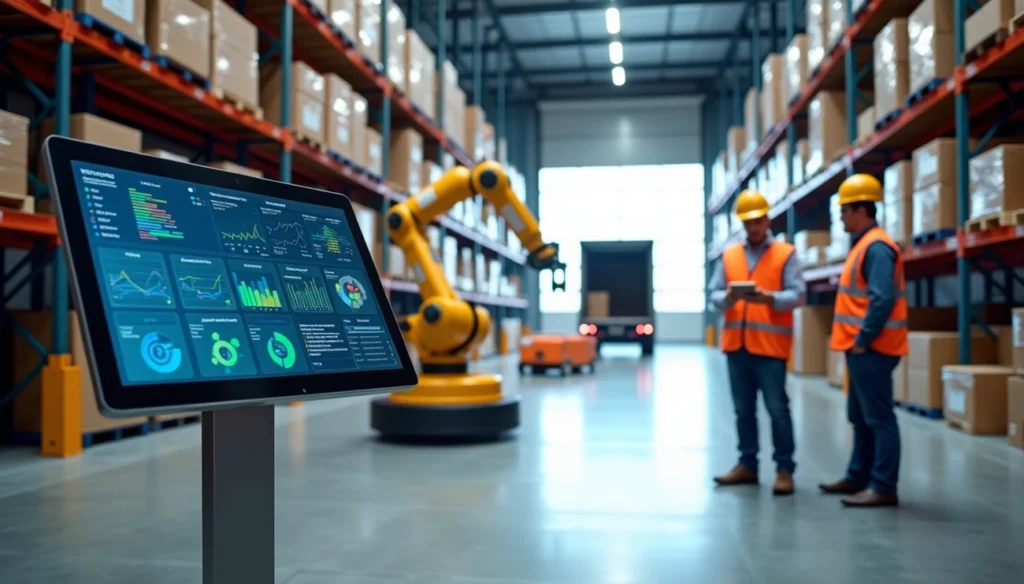
Did you know that Predictive Analytics for Supply Chain is projected to grow into a $38 billion market by 2028? This remarkable growth shows how this technology has become crucial for modern supply chain operations.
The landscape of supply chain management continues to evolve. About 77% of logistics partners now invest in predictive analytics to boost profitability. Predictive analytics in supply chain management combines historical data, statistical approaches, and machine learning algorithms to forecast demand patterns, identify potential disruptions, and optimize inventory levels. Companies see substantial benefits from this technology. Predictive maintenance can cut costs by 10% to 40% and prevent unexpected breakdowns that could cost up to $22,000 per minute.
Supply chain predictive analytics plays a vital role in building resilience during challenging times. Tom Bartman of McKinsey points out that “Labor shortages, limited equipment availability and the ripple effect of global bottlenecks are three significant challenges facing global supply chains.”
The industry recognizes this importance – a recent survey reveals that 9 of 10 companies plan to incorporate AI, including predictive analytics, into their operations within the next two years.
This piece explores practical applications through a machine learning in supply chain case study. You’ll learn how predictive analytics can reshape operations, improve efficiency, and maintain competitive advantage in an increasingly complex global marketplace.
Understanding Predictive Analytics in Supply Chain Context
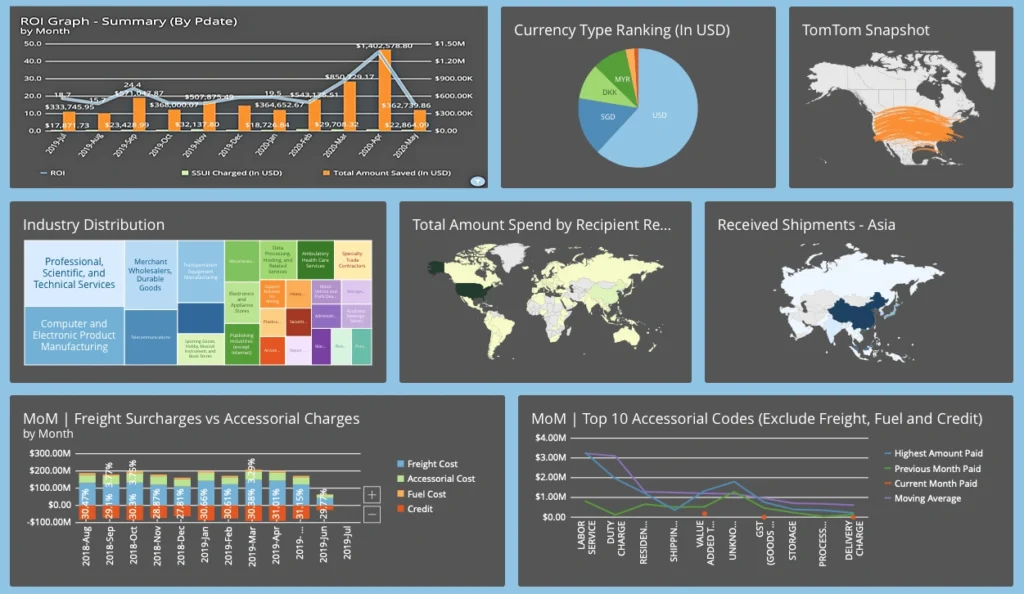
Image Source: ssui.com
“Information is the oil of the 21st century, and analytics is the combustion engine.”
Peter Sondergaard, Senior Vice President, Gartner (global research and advisory leader in technology and supply chain)
Predictive analytics transforms how organizations manage their supply chains. It moves decision-making from reactive to proactive approaches. Organizations can now turn scattered data into practical insights that optimize operations and predict future challenges.
Definition and Scope of Predictive Analytics in SCM
Supply chain management (SCM) uses predictive analytics as an advanced analytics branch that forecasts future events through statistical methods, data mining, machine learning, and artificial intelligence. The system identifies patterns to predict outcomes rather than just reporting past events.
Predictive analytics relies on three key components:
- Historical Data: Past sales figures, market trends, and customer behaviors form the training foundation for predictive models. Data quality and quantity substantially influence prediction accuracy.
- Statistical Techniques: Regression analysis, time series analysis, and clustering help identify patterns and relationships between variables over time.
- Machine Learning Algorithms: Decision trees, random forests, and neural networks detect patterns automatically and improve as they process more data.
Predictive analytics in SCM spans multiple functions from demand forecasting and inventory optimization to disruption prediction and supplier risk assessment.
How Predictive Models Use Historical and Real-Time Data
Supply chain predictive models generate accurate forecasts by processing historical archives and real-time inputs. These models analyze structured data from ERP systems, warehouse platforms, and point-of-sale systems. They also incorporate unstructured data from weather services and social media.
The process follows four key steps: data aggregation, preparation, modeling, and insight delivery. Analysts clean the data by fixing errors and standardizing formats. They then apply statistical techniques and machine learning algorithms to spot patterns.
IoT sensors, GPS trackers, and smart devices provide immediate updates that boost predictive insights. Supply chain leaders use this dynamic information to establish reorder points, adjust stock allocations, and arrange production with predicted customer demand.
A unified data model catalyzes supply chain transformation by creating a coherent operational view from different sources. Companies can predict disruptions before they happen. They can flag weather-related delays at key ports before bottlenecks form.
Difference Between Predictive and Descriptive Analytics
Predictive and descriptive analytics differ in their orientation and purpose. Descriptive analytics summarizes historical data to show what happened. It reveals past performance insights and creates baselines for future comparisons.
Statistical models and machine learning algorithms help predictive analytics forecast likely outcomes based on historical patterns. A hospital’s descriptive analytics might show past patient admission rates. Predictive analytics could forecast an ER admission surge in coming weeks.
The techniques also vary between these approaches. Descriptive analytics uses statistical methods and data visualization tools to summarize historical data. Predictive analytics employs advanced statistical techniques, machine learning algorithms, and data mining to generate forecasts.
Organizations now utilize data more strategically in supply chain management. They have moved from understanding past events to forecasting future ones.
Key Use Cases of Predictive Analytics in Supply Chain
Companies at the forefront of innovation now use predictive analytics in five key supply chain areas to stay ahead of competitors. Their targeted applications show how informed forecasting creates real business impact.
Demand Forecasting Using Time Series and ML Models
Supply chains rely heavily on time series forecasting to create effective demand plans. Modern models like ARIMA, XGBoost, and LSTM networks can spot complex patterns between inputs and demand that basic statistical methods miss. Companies that adopt AI-driven forecasting solutions see impressive results – forecast errors drop by 30% to 50% while stockout-related lost sales decrease up to 65%. McKinsey’s research shows possible inventory reductions between 20% to 50% with predictive forecasting. RevIN-TSMixer, a transformer-based model, shows how newer approaches can balance accuracy and cost by building inventory goals right into the forecasting system.
Inventory Optimization Across Multi-Node Warehouses
Multi-Echelon Inventory Optimization (MEIO) tackles a common problem: excess stock in one location while another runs low. Rather than each node keeping its own backup stock, MEIO finds the best places to keep safety stock so the whole network can share buffers. This comprehensive method puts inventory where it creates maximum value with minimal spending. Advanced analytics platforms can analyze thousands of data points across locations to find patterns that traditional methods miss.
Predictive Maintenance with IoT Sensor Data
Results from predictive maintenance are significant: downtime drops up to 50%, maintenance costs fall by 20–25%, and asset uptime improves by 10–15%. Coca-Cola uses IoT to track vending machines and refrigerators, monitoring live metrics for stock levels and customer behavior analysis. Caterpillar works together with Uptake to collect live data from sensors that helps prevent equipment failures.
Supplier Risk Assessment Based on Historical Performance
Supplier risk assessment spots potential disruptions by evaluating third-party vendors systematically. The evaluation covers financial stability, operational reliability, compliance, cybersecurity, and environmental practices.
Route Optimization Using Real-Time Traffic and Weather Data
Route optimization algorithms quickly process millions of combinations to find the best solutions. These systems blend live data about traffic, weather, and vehicle conditions to adjust delivery routes on the fly. Supply chain route optimization helps companies boost vehicle utilization by 35-50% and cut fuel costs by 25-40%. The Environmental Protection Agency finds that optimized routes can reduce fuel use by 20%.
Case Study: Predictive Analytics for Supply Chain Transformation
A global enterprise streamlined its outdated supply chain through predictive analytics. This success story shows how data science reshapes operations with proper implementation.
Background: Legacy System Challenges in Global Supply Chain
Today’s volatile market has turned legacy systems in global supply chains into liabilities rather than assets. Many organizations struggle with outdated infrastructure that creates dangerous business blind spots. Siloed data and incompatible platforms lead to errors that get pricey. Teams in procurement, inventory, logistics, and finance work in isolation and manually consolidate data. This ended up causing delays in critical decisions and reduced accuracy.
These older systems create more than just inefficiencies, they pose serious security risks. Manufacturing has become the most targeted sector for cyber attacks three years running. The outdated platforms expose companies to substantial risks. The systems need expensive modifications, constant troubleshooting, and specialized talent just to maintain simple functionality.
Solution: Machine Learning Integration for Demand Forecasting
A leading global water, sanitation, and infection prevention provider teamed up with Tredence to modernize its supply chain platform. They focused on combining predictive analytics with machine learning algorithms to improve demand forecasting.
The team moved from scattered legacy systems to a unified data platform that processes information throughout the supply chain. This new system exploits historical data with live inputs to create more accurate demand predictions. The platform gave quick responses to market changes through AI-driven insights by bringing together scattered data points.
Outcome: $50,000 Monthly Savings and 20% Inventory Reduction
The results proved remarkable. The switch to modern predictive analytics brought in $50,000 in monthly savings. Both operational improvements and lower maintenance costs drove these savings.
The company’s inventory management saw dramatic improvements. Research shows companies using these supply chain analytics solutions cut inventory by 20-50%. Better demand predictions helped maintain ideal stock levels across the distribution network.
Lessons Learned from the Tredence Implementation
The project gave several key insights:
- Data integration needs careful planning – combining information from scattered legacy systems requires thorough preparation and technical expertise
- Data scientists must work closely with supply chain experts to turn analytical models into practical business solutions
- Step-by-step implementation keeps operations running smoothly while showing early ROI to maintain organizational support
This transformation shows how predictive analytics turns supply chains from cost centers into strategic assets with the right technical approach.
Tools and Technologies Powering Predictive Analytics
A powerful stack of technologies works together behind every successful predictive analytics implementation. Supply chains can anticipate disruptions and optimize operations based on how well these tools work.
Machine Learning Algorithms: Random Forests and Neural Networks
Random Forests algorithms shine at demand forecasting through their unique ensemble approach that combines multiple decision trees for more accurate predictions. This technique reduces overfitting risk by averaging uncorrelated trees and lowers variance and prediction error.
Neural networks, especially when you have deep learning models like recurrent neural networks (RNNs) and long short-term memory (LSTM) networks, showed remarkable results in time-series forecasting by processing complex data relationships.
These advanced algorithms can reduce forecast errors by 20–50% compared to conventional techniques.
Data Mining Techniques for Pattern Discovery
Data mining turns raw data points into applicable information by finding hidden patterns within large datasets. The process moves through key stages: data collection, cleaning, integration, transformation, analysis, evaluation, and deployment.
Supply chains use data mining to support six critical modeling functions: classification for categorical predictions, regression for continuous value forecasting, time-series forecasting for temporal analysis, clustering for segment identification, association for behavior patterns, and sequencing to identify likely event chains.
Predictive Modeling with Regression and Clustering
Regression analysis builds relationships between variables that help supply chain managers forecast demand and optimize inventory levels. Companies use these insights to minimize waste and reduce costs. Clustering algorithms group similar items based on shared characteristics and make inventory management more effective. The average linkage clustering algorithm with the Calinski and Harabasz index finds similar items while capturing relationships specified in product bills of materials.
Integration with ERP and SCM Platforms
Modern predictive analytics solutions merge with enterprise resource planning (ERP) systems to turn traditional platforms into intelligent systems that learn from data. This integration automates tasks like data entry and analysis. Most major ERP systems don’t include regression analysis directly, but they provide reporting modules for data export to statistical packages. Vendors like SAP, Microsoft, and Oracle offer add-on modules or third-party integrations that add predictive capabilities.
Challenges and Best Practices for Implementation
“It is impossible to improve any process until it is standardized.”
W. Edwards Deming, Renowned statistician and quality management pioneer
Predictive analytics implementation in supply chains faces several major challenges that companies need to solve before successful adoption.
Data Quality and Integration with Legacy Systems
Quality data forms the foundation of predictive analytics. Models depend on historical data, but companies don’t deal very well with incomplete, outdated, or isolated information spread across different systems. Analytics initiatives fail due to fragmented data in legacy systems, which leads to unreliable insights. Companies must establish data governance processes to standardize formats and verify accuracy in all source systems.
Shortage of Skilled Data Science Talent
Companies pay a 28% salary premium almost $18,000 more per year to hire professionals with AI skills.
In spite of that, qualified candidates remain scarce, and experienced data scientists are hard to find. Companies should create internal training programs and build teams that mix experience levels by pairing seasoned leaders with rising talent.
Ensuring Data Privacy and Compliance
Supply chain operations contain sensitive competitive information that needs protection. The increasing data collection requires companies to use strong encryption, set up role-based access controls, and regularly check their partners’ security measures.
Building a Cross-Functional Analytics Team
Companies with well-integrated supply chain operations achieve 20% higher efficiency rates than disconnected structures. This success comes through cooperative teamwork. Organizations should help data scientists learn about supply chain principles while training supply chain professionals in data science.
Choosing the Right Predictive Analytics Platform
The best platforms combine predictive capabilities with built-in security features like immediate monitoring, anomaly detection, and secure APIs. Cloud-based solutions with AI and machine learning capabilities offer expandable solutions and quick implementation.
Conclusion
Predictive analytics has become a game-changing force in supply chain management. This piece shows how analytical insights create real business advantages in operations of all sizes. Companies see remarkable benefits from 30-50% reductions in forecast errors to 20-50% inventory reductions when they implement these technologies properly.
The path to predictive supply chain analytics needs substantial investment in both technology and talent. But the case study showed how these investments deliver measurable results like $50,000 monthly savings and 20% inventory reductions. These results explain why 9 out of 10 companies plan to add AI-powered analytics to their operations soon.
On top of that, the technology stack behind predictive capabilities keeps advancing faster. Random forests algorithms, neural networks, and advanced clustering techniques now process complex relationships that traditional methods can’t detect. This technological progress lets companies anticipate market changes and operational disruptions with unprecedented accuracy before they affect business performance.
Without doubt, some hurdles exist. Problems with data quality, talent shortages, and integration complexities can derail even well-planned implementations. Companies must approach predictive analytics with clear strategies for data governance, shared collaboration, and platform selection.
The future points to predictive analytics becoming standard practice rather than a competitive edge. Companies that don’t adopt these capabilities risk falling permanently behind more agile competitors. The focus has moved from whether to implement predictive analytics to how quickly and effectively organizations can merge these powerful tools into their supply chain decisions.
The change from reactive to proactive supply chain management represents maybe even the most radical alteration of this decade. Companies that successfully direct this transition will stand ready to withstand disruptions while delivering better customer value whatever challenges tomorrow brings.
Key Takeaways
Predictive analytics is revolutionizing supply chain management by transforming reactive operations into proactive, data-driven systems that anticipate challenges and optimize performance.
• Predictive analytics delivers measurable ROI: Companies achieve 30-50% reduction in forecast errors, 20-50% inventory cuts, and up to $50,000 monthly savings through machine learning integration.
• Five critical applications drive success: Demand forecasting, inventory optimization, predictive maintenance, supplier risk assessment, and route optimization create competitive advantages across operations.
• Data quality and talent are key barriers: Organizations must address fragmented legacy systems and the 28% salary premium for AI skills while building cross-functional analytics teams.
• Implementation requires strategic planning: Success depends on proper data governance, phased rollouts, and selecting platforms that integrate with existing ERP and SCM systems.
• The shift from reactive to proactive is inevitable: With 90% of companies planning AI adoption within two years, predictive analytics will become standard practice rather than competitive advantage.
The transformation represents the most significant operational shift of this decade, positioning early adopters to withstand disruptions while delivering superior customer value in an increasingly complex global marketplace.
FAQs
Q1. What is predictive analytics in supply chain management? Predictive analytics in supply chain management uses historical data, statistical methods, and machine learning algorithms to forecast future events and trends. It helps companies anticipate demand, optimize inventory, assess supplier risks, and improve overall supply chain efficiency.
Q2. How can predictive analytics reduce costs in supply chains? Predictive analytics can significantly reduce costs by improving demand forecasting accuracy, optimizing inventory levels, enabling predictive maintenance, and enhancing route optimization. These improvements can lead to reduced stockouts, lower inventory holding costs, decreased maintenance expenses, and improved fuel efficiency.
Q3. What are the main challenges in implementing predictive analytics for supply chains? The primary challenges include ensuring data quality and integration with legacy systems, addressing the shortage of skilled data science talent, maintaining data privacy and compliance, building cross-functional analytics teams, and selecting the right predictive analytics platform that aligns with existing systems.
Q4. Can you provide an example of successful predictive analytics implementation in supply chain? A global water and sanitation provider partnered with Tredence to implement predictive analytics for demand forecasting. This resulted in approximately $50,000 in monthly savings and a 20% reduction in inventory. The implementation involved migrating from legacy systems to a unified data platform that leveraged historical and real-time data for more accurate predictions.
Q5. What tools and technologies are used in predictive analytics for supply chains? Key tools and technologies include machine learning algorithms like Random Forests and Neural Networks, data mining techniques for pattern discovery, predictive modeling with regression and clustering, and integration with ERP and SCM platforms. These technologies work together to process complex data relationships and generate accurate forecasts for various supply chain functions.